

Parton died peacefully on Tuesday, August 25, in Nashville, Tennessee, according to her representatives. At this time, a specific cause of death has not been announced. Parton had spoken publicly during the past year about dealing with health issues, but she never disclosed their exact nature.
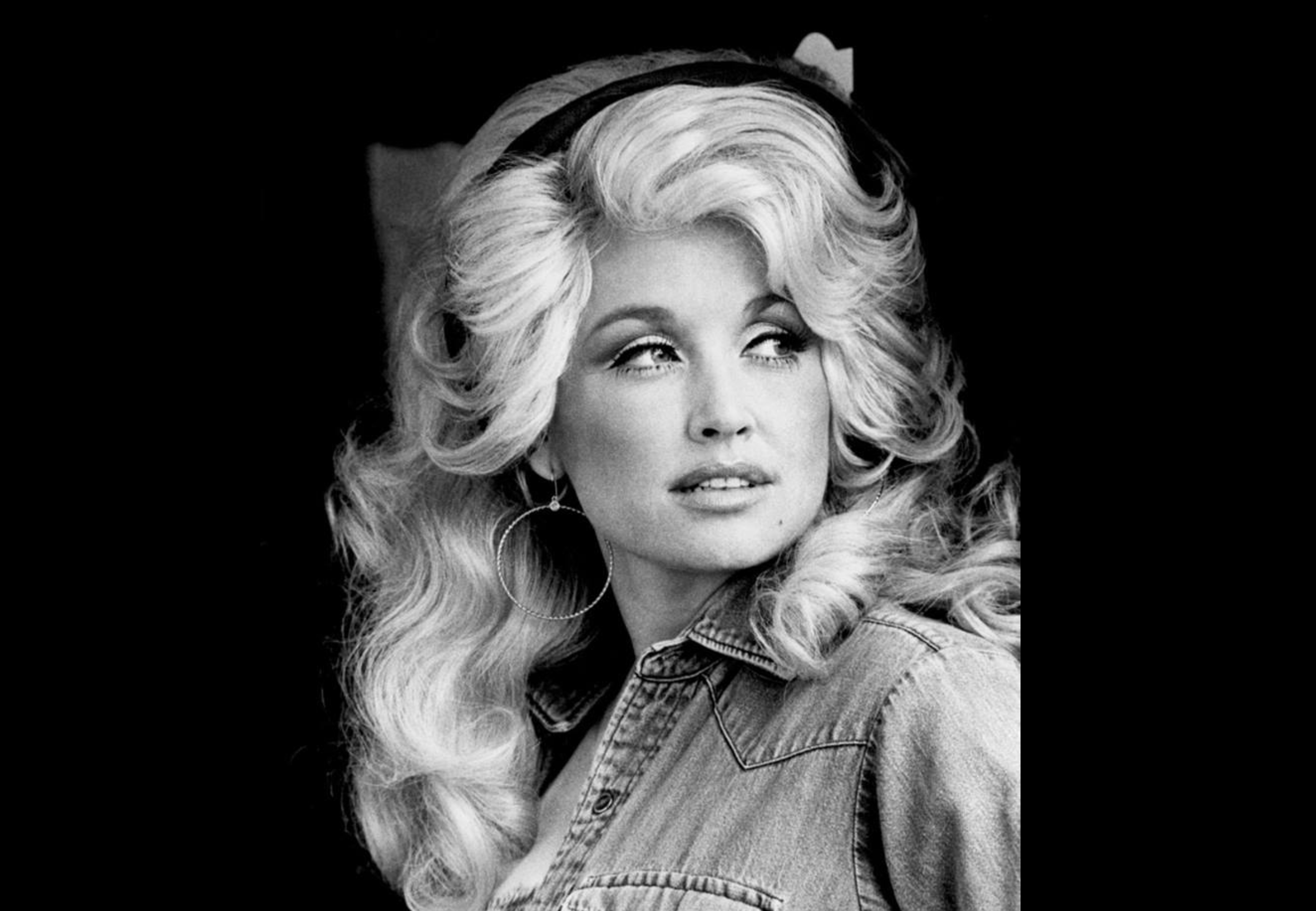
It is difficult to think of another American star quite like Dolly Parton.
She was instantly recognizable: the enormous blonde hair, rhinestones, wonderful sense of humor and unmistakable Tennessee voice. But behind the larger-than-life image was an exceptionally gifted songwriter, a shrewd businesswoman and, perhaps most importantly, a deeply generous human being.
Her story was an extraordinary American story.
Born Dolly Rebecca Parton on January 19, 1946, in rural Tennessee, she was one of 12 children raised in a family she openly described as “dirt poor.” Music surrounded her childhood. She began writing songs when she was still a little girl, performed on local radio as a child and appeared at the Grand Ole Opry when she was only 13. The day after graduating from high school, she headed for Nashville.
What followed was one of the most remarkable careers in popular music.
Parton wrote thousands of songs and became responsible for some of the most enduring compositions in American music, including “Jolene,” “Coat of Many Colors,” “9 to 5” and “I Will Always Love You.”
She was a great singer and entertainer, but Dolly always considered herself a songwriter first.
That distinction matters. Her songs could be deceptively simple, but beneath that simplicity was an extraordinary understanding of human emotion. She wrote about poverty because she had known poverty. She wrote about heartbreak, jealousy, ambition, family, faith and longing with the understanding of someone who had actually lived a life.
“I Will Always Love You,” which she wrote as a farewell to her professional partner Porter Wagoner, became a No. 1 country hit for Parton and decades later became one of the most famous recordings in history through Whitney Houston.
Over a career spanning more than six decades, Parton sold more than 100 million records worldwide, won 11 Grammy Awards including a Lifetime Achievement Award, became a member of the Country Music Hall of Fame and was inducted into the Rock and Roll Hall of Fame. She also became a movie star, giving memorable performances in 9 to 5, The Best Little Whorehouse in Texas and Steel Magnolias.
But there is another part of Dolly Parton’s legacy that deserves just as much attention.
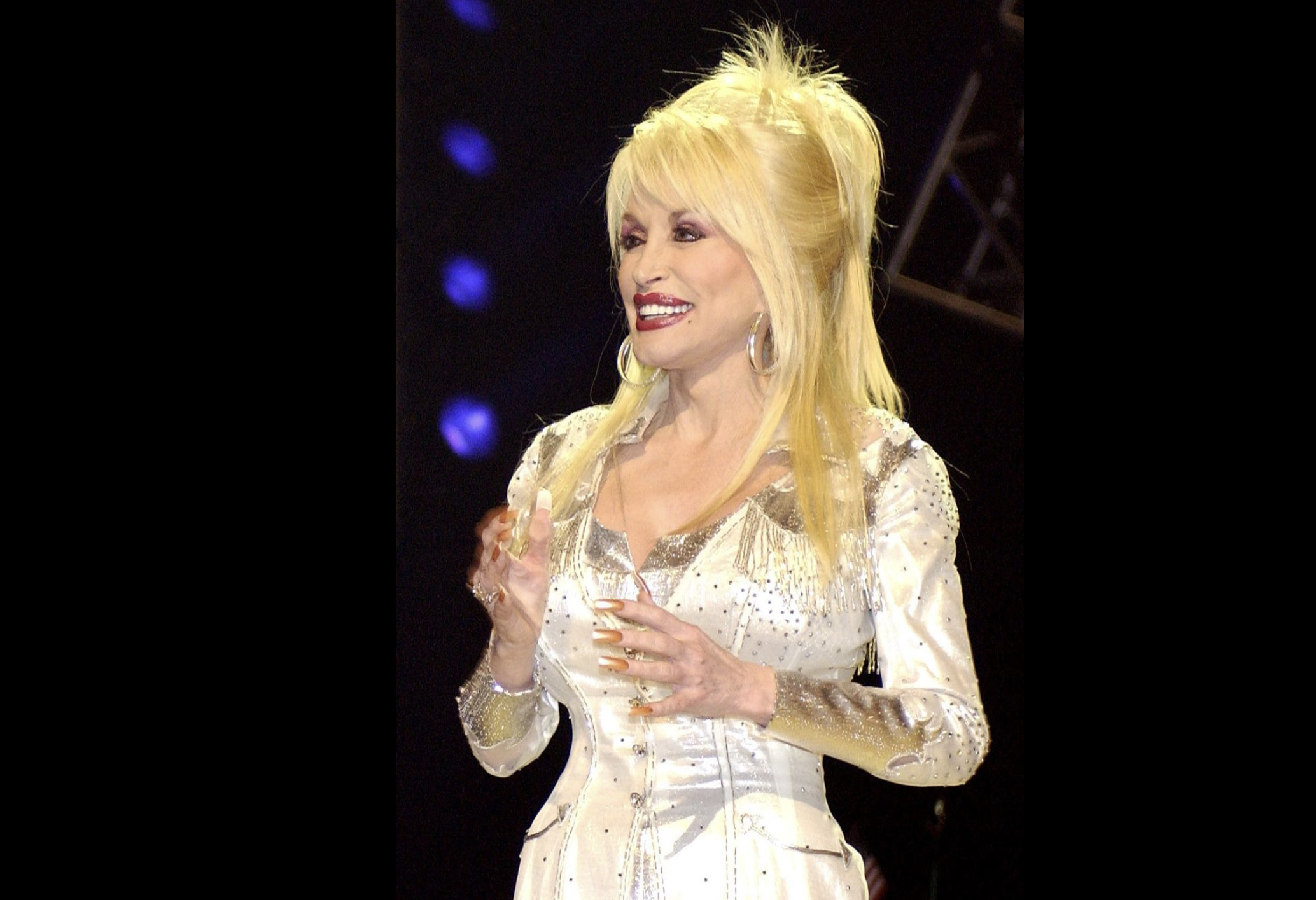
A Life of Giving
For all the awards, hit records and fame, some of Dolly Parton’s greatest accomplishments happened far away from a stage.
She never forgot where she came from.
In 1988, she created the Dollywood Foundation to help children in her native Sevier County, Tennessee. One of its early initiatives offered financial incentives to young students if they stayed in school and graduated. According to the foundation, the dropout rate among the participating classes fell dramatically.
Then, in 1995, Parton started something that would eventually affect millions of families around the world:
Dolly Parton’s Imagination Library.
The idea was beautifully simple. Children would receive a free, age-appropriate book in the mail every month from birth until age five.
The inspiration was deeply personal.
Dolly’s father, Robert Lee Parton, had been unable to read or write. She saw firsthand how illiteracy could limit someone’s opportunities, and she wanted children to begin their lives with something her father had never been given: easy access to books.
What began in one Tennessee county became an international movement, expanding throughout the United States and into Canada, the United Kingdom, Australia and Ireland. Hundreds of millions of books have been given to children through the program.
Think about the scale of that legacy.
There are children who learned to love reading because a book with their name on it arrived in their mailbox every month. Many of them may never have understood that somewhere behind that little book was a woman with rhinestones, a guitar and an enormous heart who believed that every child deserved the opportunity to dream.
And her generosity went much further.
After devastating wildfires struck the Great Smoky Mountains in 2016, destroying homes in the community where she grew up, Parton created the My People Fund. Families who had lost their primary residences received $1,000 a month for six months. Her wildfire relief efforts ultimately distributed millions of dollars.
After Hurricane Helene devastated communities in East Tennessee in 2024, she personally pledged another $1 million toward relief efforts.
She supported scholarships and educational programs.
She supported hospitals and children’s health care.
She supported wildlife conservation.
And then, during one of the darkest periods of the COVID-19 pandemic, Dolly Parton quietly did something extraordinary.
She donated $1 million to Vanderbilt University Medical Center for COVID-19 research.
That money helped fund critical early research connected with the development and testing of Moderna’s COVID-19 vaccine. Vanderbilt researchers later confirmed the importance of her contribution to their early work. (news.vumc.org)
Millions of people around the world would eventually receive that vaccine.
It is difficult to imagine a more tangible example of a celebrity using wealth and influence for the benefit of other human beings.
Fame Without Losing Her Humanity
Perhaps that is why Dolly Parton was loved by people who agreed about almost nothing else.
She somehow transcended many of the divisions that increasingly define American life.
She could laugh at herself. She never pretended that the hair, makeup and rhinestones were anything other than a wonderfully exaggerated creation. At the same time, underneath all that glamour was someone who remained remarkably connected to the poverty and people of the Tennessee mountains where she began.
Her success never seemed to make her embarrassed about where she came from.
Instead, she brought that place with her.
She built Dollywood in East Tennessee, creating not simply a monument to herself but a major employer and economic engine for the region. She poured money into schools, families, hospitals and disaster relief in the communities that had formed her. (apnews.com)
And there was kindness in the way she approached people.
She had strong beliefs, but rarely seemed interested in humiliating anyone who believed differently. In an increasingly cynical world, there was something refreshingly uncomplicated about her conviction that people should simply try to treat one another better.
That may ultimately be one of the reasons her death feels so significant.
We have lost an extraordinary singer.
We have lost one of America’s greatest songwriters.
We have lost an actress, author, entrepreneur and an entertainer who understood better than almost anyone how to make people smile.
But we have also lost an extraordinary humanitarian.
Dolly Parton demonstrated what can happen when enormous success is accompanied by enormous generosity. She understood that wealth and fame could be used not simply to build a bigger life for yourself, but to create opportunities for people you would probably never meet.
Millions of children have books because Dolly Parton cared.
Families had somewhere to turn after losing their homes because Dolly Parton cared.
Students received scholarships because Dolly Parton cared.
Medical researchers were able to continue important work because Dolly Parton cared.
That is a legacy far greater than any chart position or award.
Dolly Parton once said that she hoped to be remembered above all for her songs.
She certainly will be.
People will still sing “Jolene.” Someone will hear “Coat of Many Colors” for the first time decades from now. And long after all of us are gone, someone will undoubtedly sing “I Will Always Love You.”
But somewhere, there will also be a child opening a book.
And that, too, will be Dolly Parton’s legacy.